

Why Dinners?
A high-end dinner invite to your target persona is at least 10x more likely to be responded to than an email that promises to increase their revenue, reduce their costs, or mitigate their risks. Common sense, evolutionary biology, my firsthand experience, and the experience of 1000s of sellers that invite executives to dinners agree.
THE OLD WAY
The Legacy Mistake
A predictable steakhouse, a dry slide deck, and a commission-sweaty AE aggressively asking qualifying questions between courses. Prospects see right through it.
THE NEW WAY
The DLG Experience
I weave your product's core value directly into the orchestration of the meal itself. A memorable, high-end sequence where the software powers the evening.
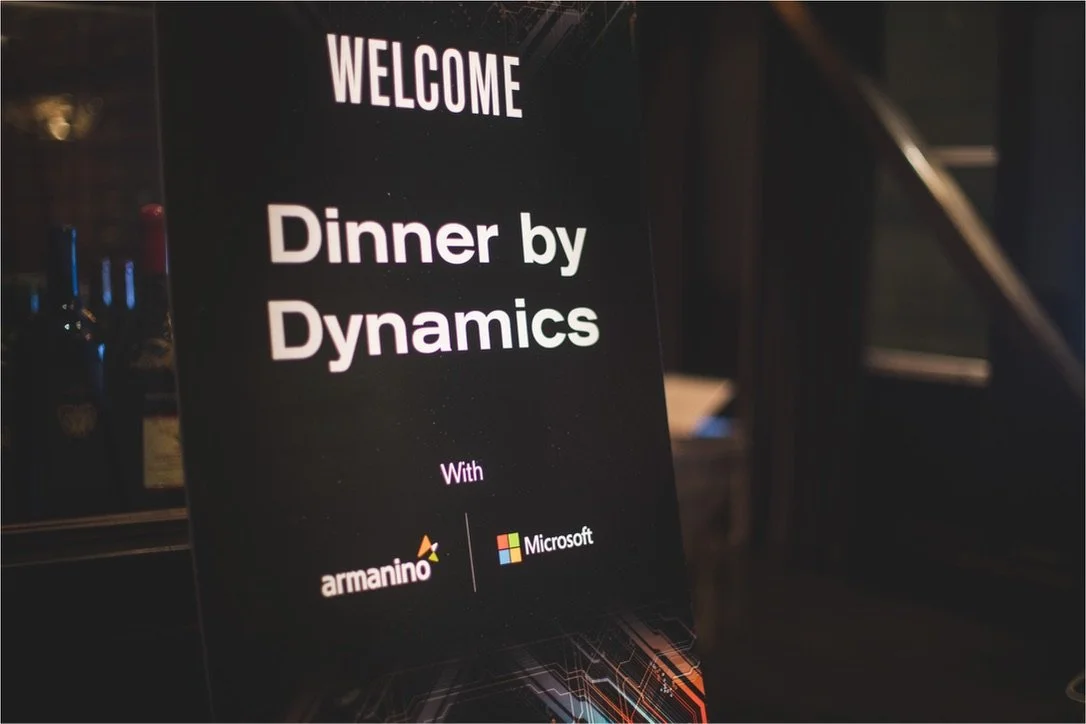
My Executive Dinner Origin Story
In April 2019, I was hired as a field seller for Microsoft Dynamics in northern California. For the first few months, I tried almost everything sellers are taught to do to generate pipeline: cold emails, LinkedIn, partner strategy. After sending a thousand cold emails to prospects, I had a literal 0% response rate. I'm not "rounding down." I got radio silence from every contact I reached out to.
I had to change my approach. What would rise above the noise in a CXOs inbox?
Having spent 10 years in high-end hospitality, my idea was to create an executive dinner experience unlike any I had seen before. Microsoft's Dynamics CRM suite included solutions for sales force automation, marketing automation, customer service, and field service, and since most high-end dinners are multiple courses, I could use those apps to orchestrate the dinner from course to course. Guests would be watching a demo of the software, but it wouldn't feel like a demo because everything they'd be seeing was about the dinner they were experiencing. I called it "Dinner by Dynamics."
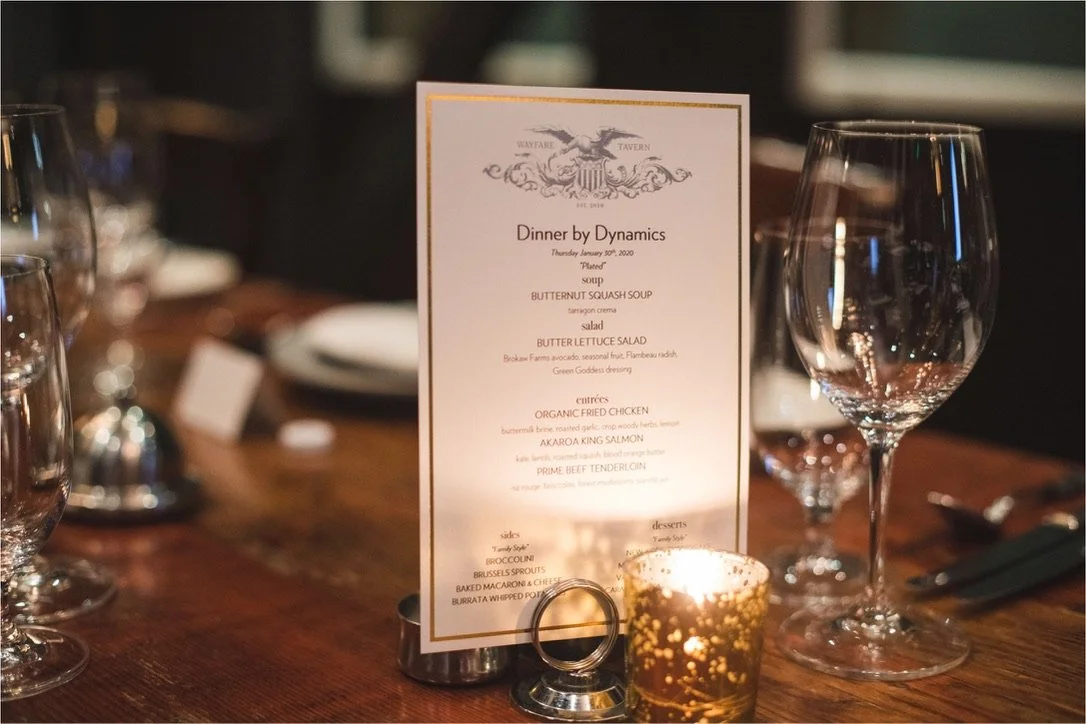
Before building anything, I sent out a dozen or two emails to CROs as trial balloons. It worked! One response even led to a Proof of Concept and my very first outbound-sourced qualified pipeline.
Rationally speaking, an executive should be more excited about an email promising an industry-leading solution worth millions of dollars than an invitation to dinner. But as Rory Sutherland explores in Alchemy, Costly Signaling Theory—the biology-rooted concept that a message's credibility is proportional to its cost—explains exactly why they respond differently to a dinner invitation than to a sales pitch. An expensive, exclusive dinner signals genuine investment in the relationship in a way that a cold email simply cannot.
I was finally seeing responses to my cold emails. Dozens of them. Emails from C-level executives that wanted to come, as well as regret emails from executives that wanted to come but couldn't for whatever reason. It may not sound like a lot, but this was just a dinner I had conceived for my 300 named accounts. There was no other promotion — not by other AEs, the marketing team, or the BDRs. The response rates were 1-2 orders of magnitude higher than all the other email experiments I tried. This led to my first insight:
Even when invitees are declining, you’re winning.
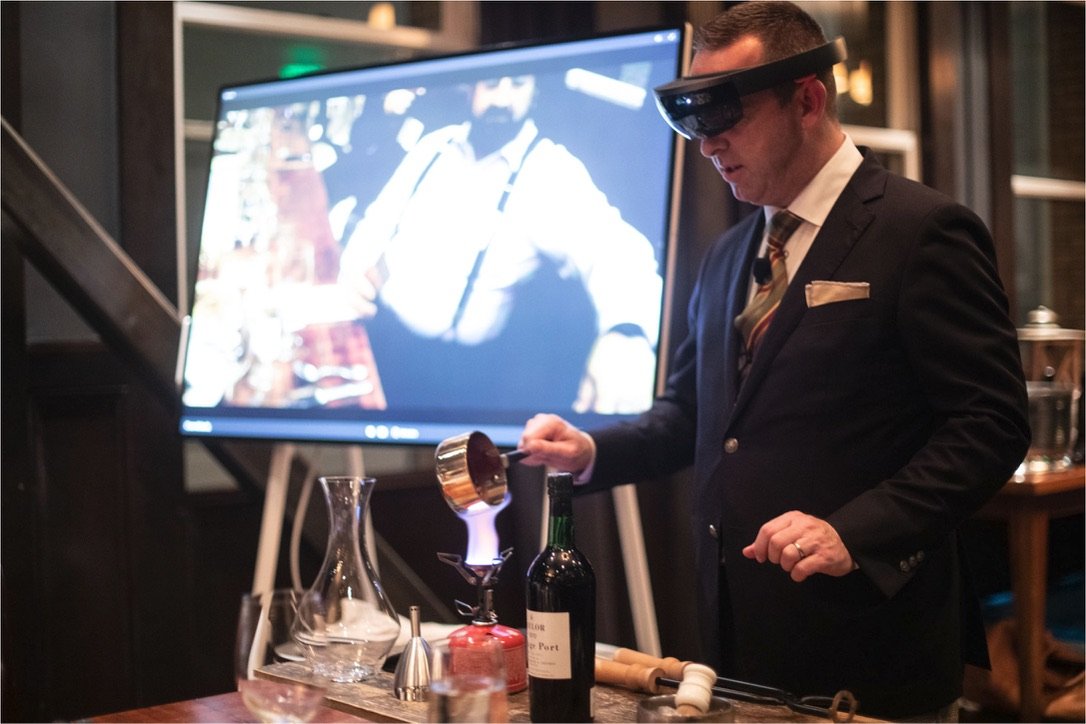
There is no downside to inviting someone to an exclusive, upscale dinner. For my dinner at Microsoft, I was targeting C-level executives, had only 15 seats at each dinner, and held one of the dinners at a Michelin-star restaurant (of course I prefer two Michelin stars, but this was still an experiment at the time). The response rate was around 10%; if I sent out 100 emails, I heard back from 10 CROs.
The key thing about these responses, though, is that they initiated conversations I had been trying to have for months, even if their response was to decline. I ended up generating pipeline from guests who didn't even get the free lunch (metaphorically).
Years later, at 6sense, the very first executive dinner I hosted for marketing leaders in Raleigh, North Carolina, we had two guests from the same company RSVP yes, then cancel. But the invite was the first outreach that got them to respond to us, and eventually they purchased our product. The content of the dinner itself played zero role in the sale except for finally opening the door to conversations. This works best if the invite is response-worthy.