How I define “hospitality”
In Will Guidara’s follow-on book to Unreasonable Hospitality, the Unreasonable Hospitality Field Guide, readers are asked to write notes all over the place. In the first few chapters, he asks the reader to write down their definition(s) of hospitality. I wrote down three things, each an example of what I consider hospitality:
Regular
There is no higher compliment a business can pay you than calling you a 'regular.' Yet most loyalty programs trap themselves in a heavy-metal obsession, crowning their best guests 'Platinum,' 'Gold,' or 'Elite'—labels that sound cold, metallic, and pretentiously transactional. What I’ve always loved about 'regular' is its unpretentious simplicity. It sounds pedestrian, but in a world of manufactured status, it’s the ultimate insider flex.
When I ran Wingtip, we structured our membership tiers entirely around frequency rather than spend. Out-of-towners got a Visiting membership, regional executives got a Social tier, and for those who wanted unlimited access, we called them what they truly were: a Regular. That was the tippy top. Status wasn't about how much cold hard cash you dropped; it was about how warm and familiar the room felt when you walked in.
At Wingtip, we had three different tiers of membership that were based solely on the number of times you could visit the club. For folks that lived across the country, but wanted to visit on their occasional trip to San Francisco, we had a Visiting membership that was $50/month and allowed 5 visits per year (we weren’t super strict about it if someone visited a 6th time, but you get the idea). For members that lived or worked in the Bay Area, but not in San Francisco, and wanted a home base when in the city, we had a Social membership that was $200/month and allowed a handful of visits per quarter. Finally, for those that wanted unlimited visits, for $300/month, they were a Regular. That was the tippy top. Because, for me, that’s what I want to be called at my favorite establishments.
Lagniappes
"Pronounced 'LAN-yap,' it’s a Creole word meaning 'a little something extra'—like a baker tossing a thirteenth donut into your box.
Call me a sucker, but I am fiercely loyal to any business that throws in an unearned treat. In fact, full self-deprecating disclosure: part of what drove me to open a men's club was spite. After spending tens of thousands of dollars at a high-end haberdashery over the years, they never once threw in so much as a pair of socks. I didn't want a discount; I wanted a gesture.
The irrational math of hospitality really hit me through an old colleague who loved high-stakes blackjack in Lake Tahoe. He’d routinely drop $5,000 at the tables, then beam with pride over the 'free' prime rib dinner and comped suite. He could have bought the hotel with his losses, but the psychological high of the gift made him feel like a winner.
At Wingtip, I gave my team explicit permission (and budget) to hand out lagniappes at will. A client buying a wedding suit? Throw in the silk pocket square. Someone buying $700 dress shoes? Gift them our most comfortable socks—they’ll be back for three more pairs next month. In the club, it was a pour of a rare bourbon or an unprompted cheese plate. Small gestures yield outsized goodwill.
The Purse Stool
Back in 2006, I treated a friend to dinner at Daniel, chef Daniel Boulud’s two-Michelin-starred institution in New York. Shortly after we sat down, a captain silently glided over and placed a miniature upholstered stool right next to my guest's chair—strictly for her purse. It removed a micro-friction (the dreaded bag-on-the-dirty-floor dilemma) before she even had a chance to feel it. Robb Report covered the 'trend' of purse stools in 2023, a cool seventeen years after Daniel perfected it.
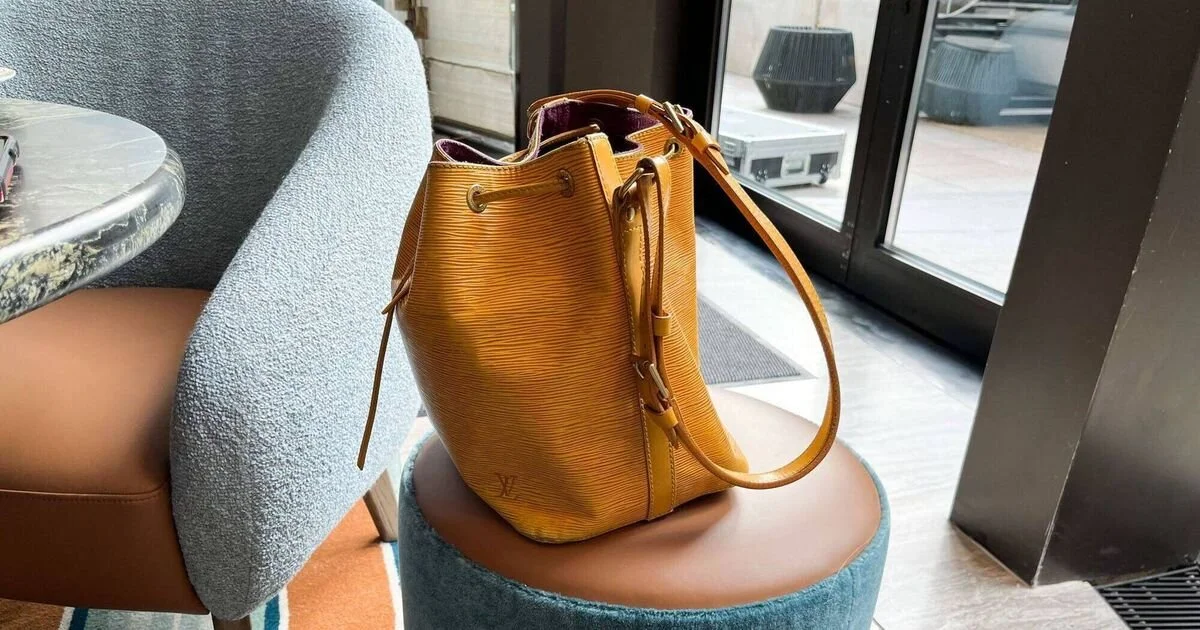
Unsurprisingly, Boulud was one of Will Guidara’s mentors. The purse stool isn't about luxury furniture; it’s about hyper-attentive empathy. As Guidara writes:
“Of all the definitions of the word I’ve given in this book, perhaps my favorite is this: Hospitality is being creative and intentional in pursuit of relationships.”
The Field Marketer’s Takeaway
Whether you are managing a two-star Michelin dining room or hosting eight target CMOs for an intimate B2B dinner, the underlying mechanics are identical:
Make your executive guests feel like Regulars, not transactional target accounts.
Offer Lagniappes that make your pipeline feel valued far beyond the contract terms.
Provide Purse Stools—anticipate friction points in their event experience before they ever express them.
High-touch hospitality can be the highest-converting growth strategy you employ.